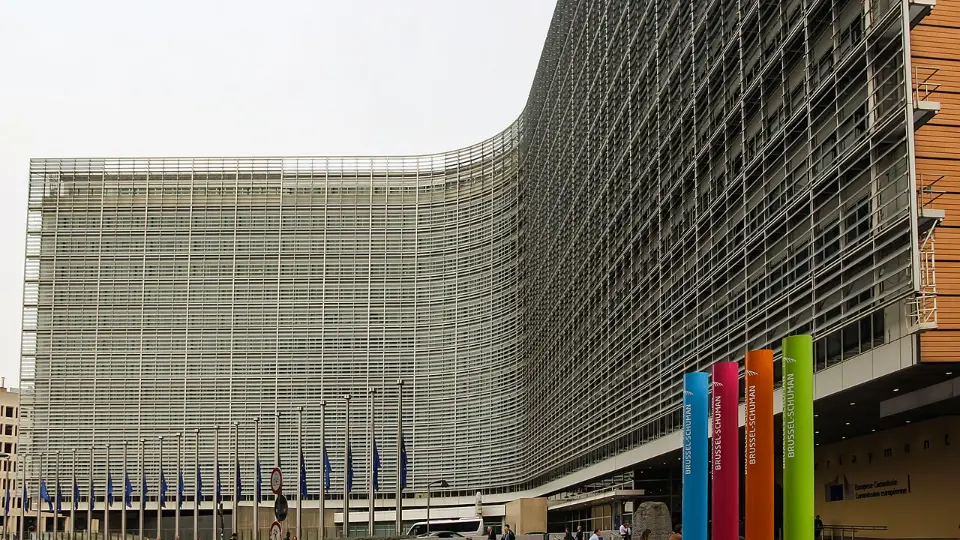
On 3 November 2026, First Advocate General Maciej Szpunar delivered his opinion in Case C-250/25 Like Company, the first generative AI case before the Court of Justice of the European Union. According to the Court's press release No 155/26, he advises that an AI chatbot which retrieves and reuses online press publications in real time to answer queries may, in certain circumstances, infringe press publishers' rights. He also suggests that training a large language model on protected material is, as a rule, permitted under the EU text and data mining exception.
What the Budapest court asked
Like Company, a Hungarian operator of web portals, sued Google Ireland before the Budapest Regional Court. It relies on the right that Article 15(1) of Directive (EU) 2019/790 gives press publishers over the online use of their publications. It argues that Google used its articles to train the models behind Gemini, and reproduced them and made them available through the chatbot between 13 June 2023 and 31 May 2024.
The court referred four questions. Two ask whether training falls under the publisher's reproduction right or under the text and data mining exception in Article 4 of the Directive. Two ask whether the chatbot's answers can fall under the reproduction right or the right of making available to the public.
Training questions: inadmissible, with a view for completeness
The Advocate General proposes that the training questions be declared inadmissible as hypothetical. There is no evidence that Like Company's articles were used to train Gemini, and training is not an "online use" of press publications. For completeness, he adds that training a model on protected works is, as a rule, freely permitted under the text and data mining exception. Under Article 4(3), that exception applies only where rightholders have not expressly reserved such use, for online content by machine-readable means, for example.
When a grounded answer can infringe
Gemini uses retrieval-augmented generation, or "grounding", to collect information from the web in real time. The opinion starts from a limit: the publisher's right protects a publication's specific form of expression, not the facts it reports. Whether an answer engages the reproduction right depends on two factors. First, did the chatbot access the publication unlawfully, in particular by circumventing a paywall or other measures against access or scraping? Second, does the answer only report facts, or reuse the publication's expression so recognisably that the user no longer needs the original? The right of making available is, as a rule, infringed where that expression is systematically recognisable in answers to related queries.
The provider is liable where such uses are inherent to its business model, or where it has not taken appropriate measures to counter them credibly and effectively.
An opinion, not a judgment
The opinion does not bind the Court. Judgment will follow later. The Budapest court will then decide the dispute in line with the ruling, which also binds other national courts facing the same issue. Germany's Federal Court of Justice will announce its decision in the LAION dataset case, which also turns on the mining exception, on 17 December 2026 (I ZR 281/25; see our summary of the Hamburg appeal ruling). The EU policy options are set out in our note on the Commission's copyright and AI consultation.
Where Türkiye and Korea stand
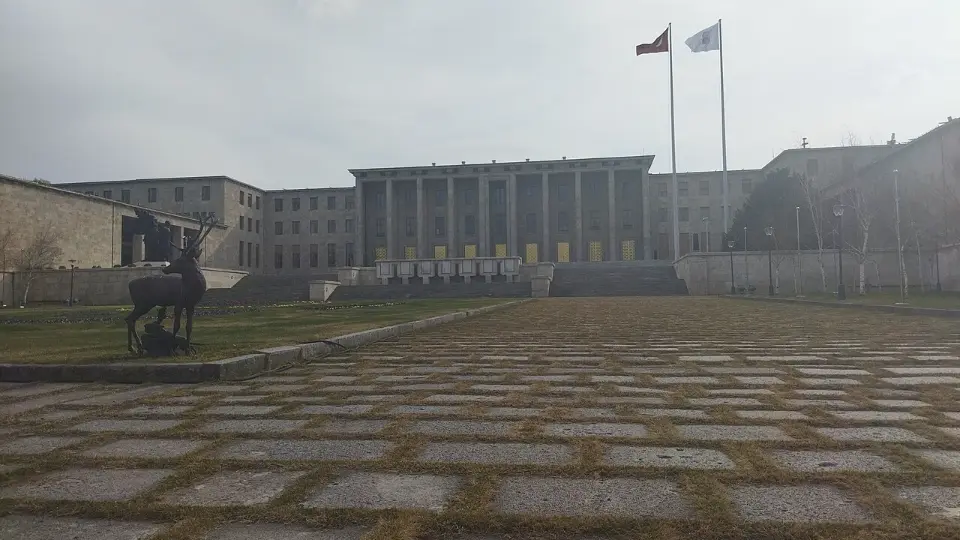
Türkiye's Law No. 5846 (FSEK) has no press publishers' right. Article 1/A names authors, performers, phonogram and film producers and broadcasters as the protected rightholders, and Article 36 lets daily news spread by the press be quoted freely. FSEK has no text and data mining exception. Bill No. 2/3519, registered in the Grand National Assembly on 12 February 2026, would make large platforms pay for listing, summarising or previewing news, automatic summaries included. Its definition of platforms does not name AI chatbots. It is still a bill.
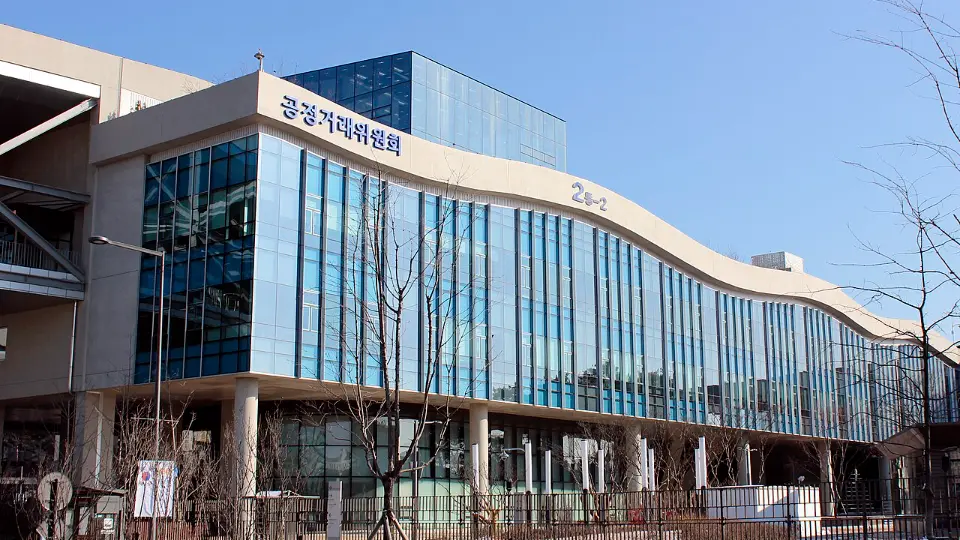
Korea's Copyright Act has no publishers' right either; its related rights cover performances, phonograms and broadcasts. Like the opinion, it leaves bare facts unprotected: Article 7(5) excludes news reports that merely convey facts. AI training is assessed under the fair use clause in Article 35-5, which the Ministry of Culture, Sports and Tourism applied to training in a guide of 26 February 2026.
Sources: CJEU press release No 155/26 (3 November 2026); Directive (EU) 2019/790; BGH notice I ZR 281/25 (accessed 6 November 2026); FSEK (mevzuat.gov.tr); TBMM bill 2/3519 (12 February 2026); Korean Copyright Act (law.go.kr, in force 29 October 2026); Korean Ministry of Culture (26 February 2026). General information, not legal advice.